Ethical AI Voiceover Use: A Practical Guide for Voice Over Clients
Updated: Aug 28
The Framework for Ethical AI Voiceover: Navigating the Future of Voice Acting
As a voice actor, understanding the evolving landscape of the voiceover industry is crucial. This includes the rise of AI technology.
Over the past few years, I've engaged in discussions with clients, fellow voice actors, and agents about AI. The opinions vary widely, ranging from informed to uninformed perspectives.
To better understand this technology, I cloned my voice using some of the leading services in the industry: Murf, ElevenLabs, and Respeecher. The outcome is a digital version of myself that sounds remarkably like the real thing. Just listen to my demo.
I created that demo using ElevenLabs and the individual spots below it using Murf. I cloned my voice via Murf in early 2022 and ElevenLabs in late 2024. You can clearly hear the advancements in technology over time.
As a voice seeker, you may have already used synthetic voices in your production process, are considering it, or have decided against using AI altogether.
Regardless of your stance, this blog aims to educate voice over clients on how to navigate this new world of voiceover that includes AI.
What Is Ethical AI Voiceover?
Navigating this complex landscape requires a clear and reliable standard. Fortunately, we don't have to create one from scratch.
The National Association of Voice Actors (NAVA) is at the forefront of this issue. They have established an ethical framework that I fully endorse. It's based on what they call the "Three C's," which serve as a simple yet powerful guide for responsible partnerships.
Consent
When you use a synthetic voice like mine, you're not just purchasing an audio file; you're licensing a performance. True consent means having a clear, project-by-project agreement. You inform me how and where my voice will be used, and I knowingly give my approval.
This principle is a core tenet of NAVA's AI Rider, a document I encourage all clients to review. You can find more information about it at navavoices.org under the AI Resources tab.
Control
Human voice artists must be able to review scripts and have the final say on the projects associated with their synthetic voice. This isn't about being a control freak; it’s about protecting my brand and ensuring that my voice—whether real or synthetic—is always linked to quality and integrity.
Compensation
The traditional model of a one-time buyout simply doesn't work for a digital asset that can be used indefinitely. Fair compensation means establishing a licensing structure where the original artist is compensated for the ongoing use of their synthetic voice. The concept is straightforward: if my voice is being utilized, it should be earning.
Practical, Ethical Uses for My AI Voice
So, where can an AI voice ethically and financially fit into your projects? Here are a few examples:
Scratch Tracks: If you need a temporary voiceover for timing and editing before I record the final version, an AI voice like mine is perfect for that.
Corrections and Pickups: If I've already recorded a project and a few lines need to be changed, my AI voice can seamlessly make those corrections without requiring a full new recording session, saving time and studio costs.
Unlocking New Revenue Streams: An AI voice makes large-scale audio projects financially and logistically feasible for the first time. This could involve creating a phone tree for a company with thousands of employees, narrating newspapers for the visually impaired, or voicing thousands of product manuals that would have otherwise remained unvoiced. This technology opens entirely new markets and revenue streams for you.
How You Can Use My AI Voice: The Three Paths
To clarify, here are the three primary ways we can collaborate when you want to use my synthetic voice for your project. Each path is designed to be flexible while upholding the ethical standards we've discussed.
Direct Voice Cloning License: For clients needing maximum control and planning to use the voice across multiple projects, we can create a direct licensing agreement. In this scenario, your team clones my voice for your exclusive use under terms we define together. This enterprise-level solution ensures a deep, ethical partnership for long-term use.
Collaborative Platform Projects: This is the most common partnership model. We use a service like Murf, ElevenLabs, or Respeecher as a shared workspace. Your team manages the project, and I remain involved to consult on the performance and ensure the final audio meets your standards and aligns with my ethical rider. This keeps me engaged and guarantees quality.
Subscription-Based Platform Access: For clients needing speed and autonomy, you can access my pre-existing voice clone directly through a subscription on these platforms. This path is possible because I have a master agreement with each service that governs the ethical use of my voice, ensuring my consent, control, and compensation are respected behind the scenes. It provides you with ease of use, backed by an ethical framework.
A Partnership, Not a Replacement
Let me emphasize an important point.
This isn't about replacing 'Human Tom' with 'AI Tom.' It's about expanding the toolkit available to you.
There are times when the needs of the end-client and the project demand the theatre-trained artist with over 25 years of voice acting experience that I bring.
At other times, depending on speed, scale, and budget, AI Tom may be the right choice.
You need to be empowered with options, especially considering the uncertainty of our industry's future on technological, economic, logistical, and social levels.
So, You Want to Hire My AI Twin? Let's Talk!
While I've cloned my voice on multiple platforms, the best way to ensure we check all the ethical boxes above and address both your and your end-clients' pain points is to work together directly. Think of me as your AI Voice Concierge.
By contacting me directly, we can:
Discuss your company's specific needs based on the type of content you produce and the type of end-clients you usually work with.
Agree on a framework for licensing agreements that covers our "Three C's" and prevents conflicts.
Ensure the final products my synthesized voices can create are something we're both proud of.
Ready to step into the future of voiceover? Drop me an email at tom@tomdheere.com or call me at 973.216.3808.
Thanks For Reading!
To learn more about me, hear some samples, or download my demos, just go to www.tomdheere.com.
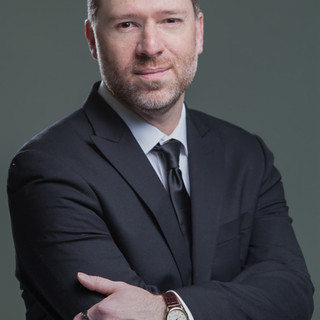
Tom Dheere is a voice actor with over 25 years of experience narrating just about every type of voiceover you can think of. He also helps other voice talents navigate the voiceover industry as the *VO Strategist. When not voicing or discussing voice acting, he produces the sci-fi comic book Agent 1.22.


Comments